
Media figure Dr. Magdy Kamel ElHawary writes : Pakistan Calls on Defeated Israel to Withdraw from All Occupied Arab Territories

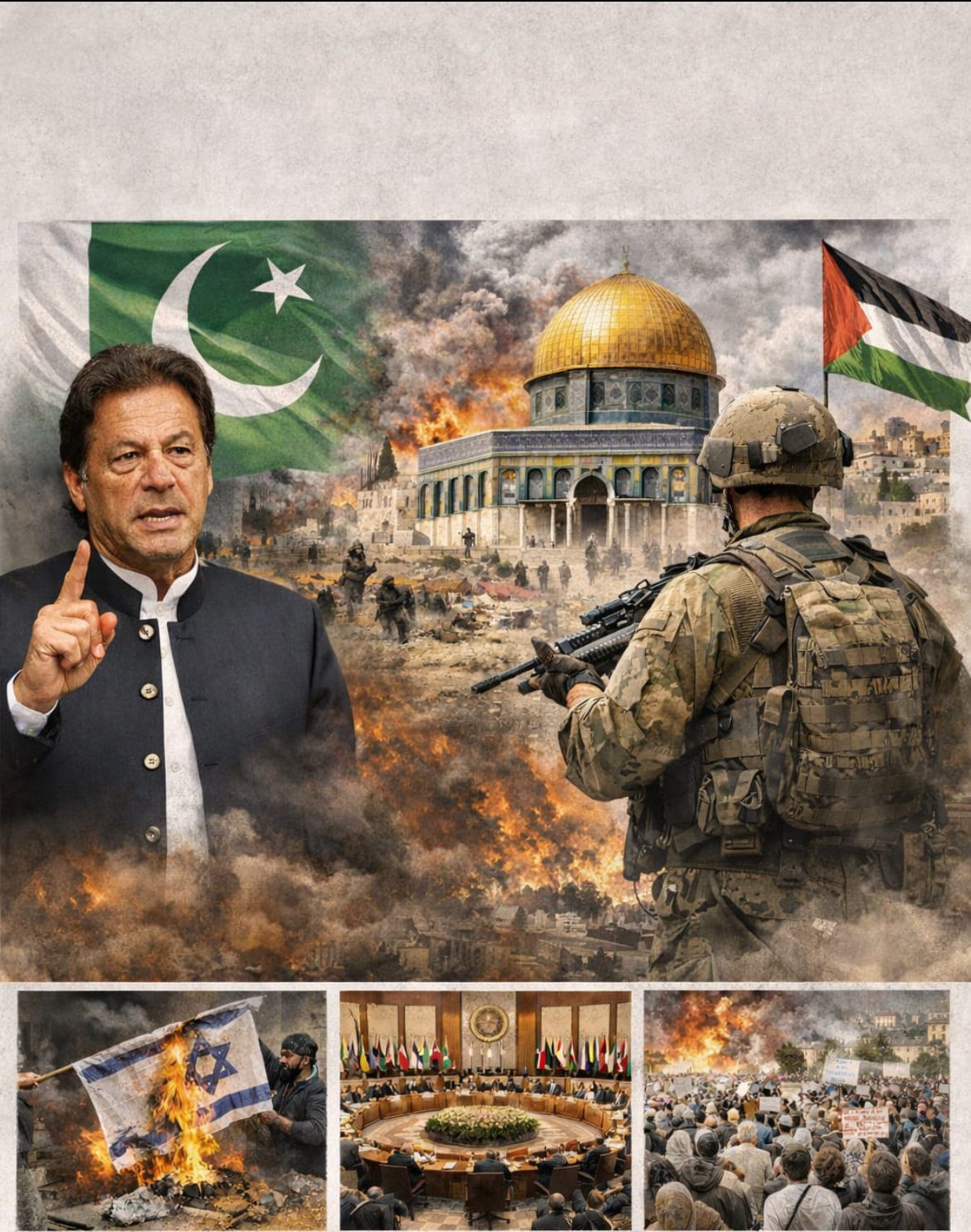
In a notable political stance reflecting rapidly shifting dynamics on the international stage, Pakistan has renewed its explicit call for Israel to withdraw from all occupied Arab territories, emphasizing that continued occupation is no longer acceptable under current geopolitical transformations, nor can it be justified before the will of peoples or the principles of international justice.
This Pakistani position does not emerge in isolation. It is rooted in a long history of political and diplomatic support for the Palestinian cause, with Islamabad viewing the conflict not merely as a border dispute, but as a clear case of occupation that requires a comprehensive resolution based on ending Israeli control over Arab lands, foremost among them Palestine.
Pakistan asserts that what it describes as Israel’s “political and moral defeat” is evident in its growing international isolation, the rising criticism within several Western countries, and the increasing global public anger rejecting continued aggression and violations against civilians.

Observers believe that the sharp tone of Pakistan’s rhetoric carries multiple messages, most notably that the balance of power is no longer what it once was, and that some nations have become more assertive in expressing their positions—particularly amid the emergence of a global trend seeking to rebalance the international system away from traditional dominance.
This escalation in political discourse also reflects a growing awareness that continued occupation threatens regional stability, fuels cycles of violence, and undermines any genuine prospects for peace. From this perspective, the call for full withdrawal is not merely political positioning, but an attempt to reintroduce a comprehensive solution that restores rights to their rightful owners.
On the other hand, Israel continues to disregard such calls, relying on support from certain international powers. However, mounting pressure could impose a new reality, especially if accompanied by more effective diplomatic and economic measures on the global stage.
The key question remains: will these calls translate into tangible actions that force Israel to reconsider its policies, or will they remain part of a long record of statements that never reach implementation?
The answer will be determined by the balance of power in the coming phase. Yet it undoubtedly signals that the Palestinian issue remains alive, and that voices demanding justice continue to rise despite all challenges.